

Weights training remains one of the most effective methods for improving overall fitness, increasing muscle strength, enhancing athletic performance, and supporting long-term health. Whether you are a beginner starting a fitness journey or an experienced athlete looking to maximize performance, incorporating resistance exercises into your routine can deliver significant physical and mental benefits.
Unlike many forms of exercise that focus primarily on cardiovascular endurance, weight training develops muscular strength, power, stability, and functional movement patterns. When combined with proper nutrition and recovery, resistance training can help individuals achieve a wide variety of fitness goals.
What Is Weights Training?
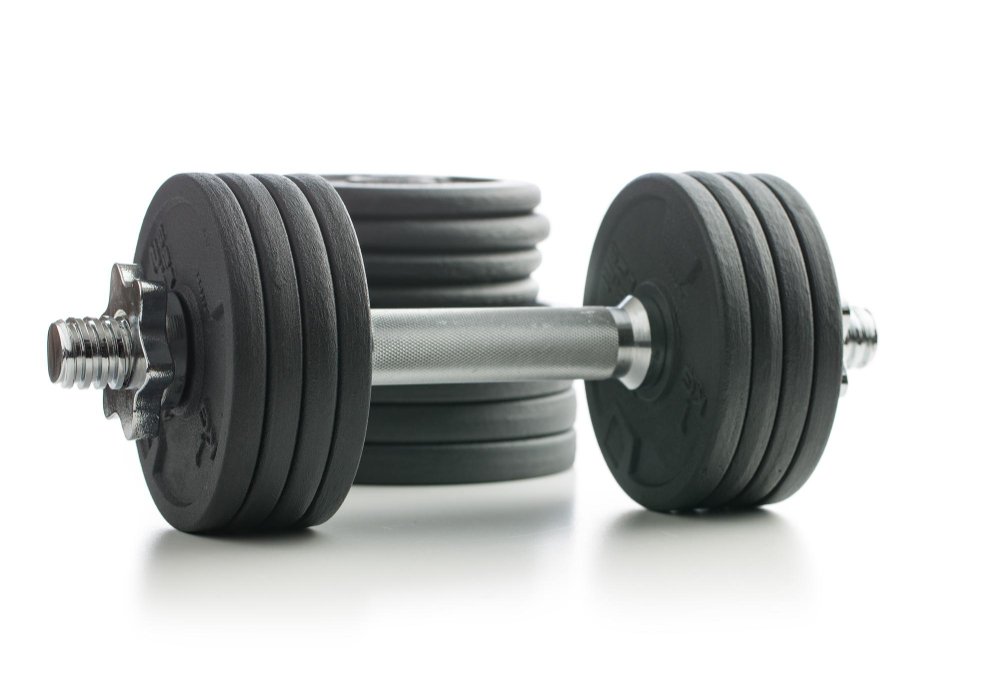
Weights training refers to exercise performed against resistance using equipment such as dumbbells, barbells, weight plates, kettlebells, cable machines, and bodyweight resistance systems. The primary objective is to challenge muscles, forcing them to adapt and become stronger over time.
Resistance can be applied in numerous ways, allowing workouts to be customized for different fitness levels, sports, and training objectives.
Benefits of Training With Weights
Increased Muscle Strength
One of the most obvious benefits of resistance training is improved muscular strength. Stronger muscles make everyday tasks easier and contribute to better athletic performance across various sports and activities.
Improved Bone Health
Weight-bearing exercises place controlled stress on bones, encouraging them to become stronger. This adaptation may help reduce age-related declines in bone density.
Enhanced Metabolism
Muscle tissue requires energy to maintain. As lean muscle mass increases, the body may burn more calories throughout the day, supporting long-term weight management goals.
Better Balance and Stability
Many resistance exercises engage stabilizing muscles that contribute to improved posture, coordination, and movement efficiency.
Incorporating supportive strength training equipment into a workout routine can further enhance balance, mobility, and exercise effectiveness.
Popular Types of Weight Training Exercises
Compound Movements
Compound exercises involve multiple muscle groups and joints working together. Examples include:
- Squats
- Deadlifts
- Bench presses
- Overhead presses
- Rows
These exercises are highly effective for developing overall strength and functional fitness.
Isolation Exercises
Isolation movements target specific muscles. Common examples include:
- Bicep curls
- Leg extensions
- Hamstring curls
- Lateral raises
- Triceps extensions
These exercises are often used to address weaknesses or enhance muscle development in specific areas.

Creating an Effective Weight Training Routine
A successful resistance training program should include progressive overload, which involves gradually increasing workout demands over time. This can be achieved by:
- Increasing weight
- Adding repetitions
- Increasing training volume
- Reducing rest periods
- Improving exercise technique
Consistency and gradual progression are essential for achieving sustainable results.
Common Mistakes to Avoid
Using Too Much Weight
Many beginners attempt to lift heavier weights than they can safely control. Proper technique should always take priority over load selection.
Skipping Recovery
Muscles grow and adapt during recovery periods. Insufficient rest may limit progress and increase injury risk.
Neglecting Mobility Training
Strength and mobility work together. Incorporating stretching and mobility exercises can improve movement quality and overall performance.

Safety Tips for Resistance Training
- Warm up before workouts
- Use proper lifting technique
- Progress gradually
- Stay hydrated
- Allow adequate recovery time
- Listen to your body
Following these principles helps create a safer and more productive training environment.
Conclusion
Weights training offers numerous physical and performance-related benefits, including increased strength, improved stability, enhanced body composition, and greater overall fitness. By following a structured program and focusing on proper technique, individuals of all experience levels can achieve meaningful results.
Whether your goal is building muscle, improving athletic performance, or supporting long-term health, resistance training remains one of the most effective and versatile forms of exercise available.