
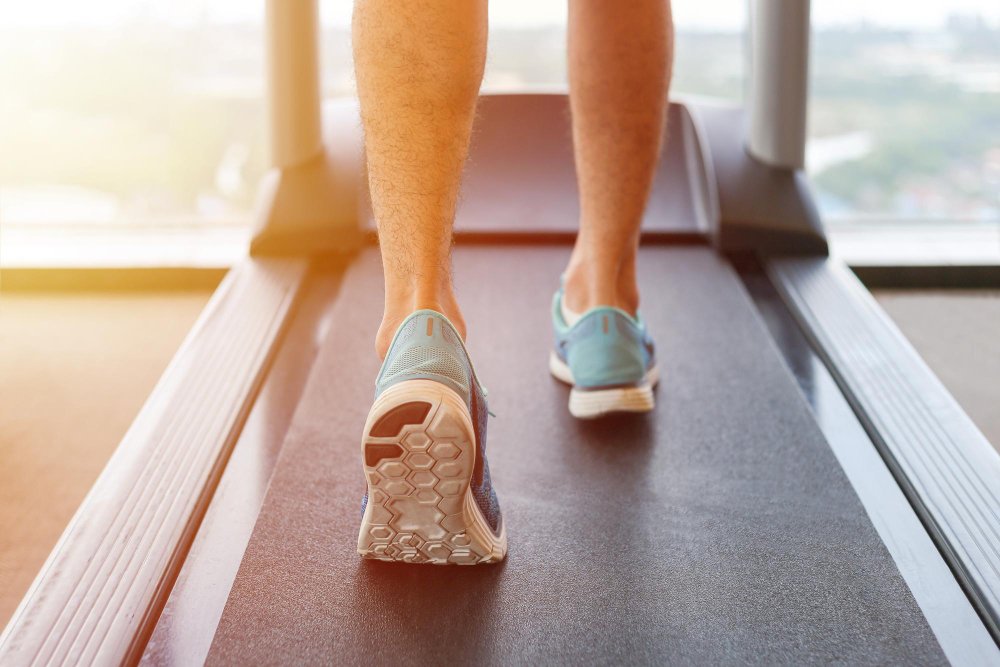
A running treadmill workout is one of the most effective ways to improve cardiovascular fitness, increase endurance, burn calories, and maintain a consistent training schedule regardless of weather conditions. Whether you are preparing for a race, trying to lose weight, or simply looking to improve your overall fitness, treadmill running offers a controlled environment that makes it easier to track progress and customize workouts.
Modern treadmills provide precise control over speed, incline, and workout duration, allowing runners to create highly targeted training sessions. From beginner-friendly jogging routines to advanced interval programs, treadmill workouts can be adapted to virtually any fitness level and goal.
Why Choose a Running Treadmill Workout?
Many runners enjoy outdoor training, but treadmill workouts offer several unique advantages. One of the biggest benefits is consistency. Rain, snow, extreme temperatures, and poor air quality can disrupt outdoor exercise plans, while a treadmill remains available whenever you are ready to train.
Treadmills also provide a softer running surface compared to concrete or asphalt, helping reduce impact stress on joints. In addition, users can easily monitor pace, distance, heart rate, calories burned, and workout duration through built-in digital displays.
For individuals focused on structured training, the ability to adjust speed and incline instantly makes treadmills an excellent tool for progressive fitness development.
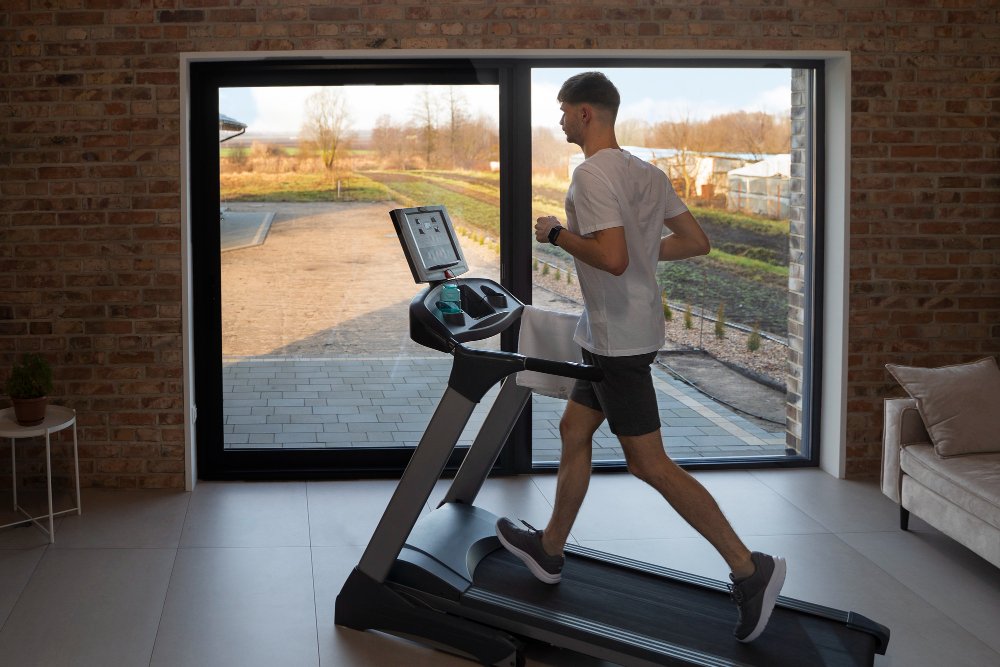
Benefits of Regular Treadmill Running
Improved Cardiovascular Health
Running challenges the heart and lungs, encouraging them to become more efficient over time. Consistent treadmill workouts can improve circulation, increase oxygen delivery throughout the body, and support long-term cardiovascular wellness.
Effective Calorie Burning
Running is one of the highest calorie-burning forms of exercise available. Depending on body weight, intensity, and workout duration, a treadmill session can significantly contribute to weight management goals.
Combining regular running workouts with proper nutrition often leads to sustainable fat loss and improved body composition.
Enhanced Endurance
Gradually increasing workout duration helps build stamina and muscular endurance. Over time, runners can comfortably cover longer distances while maintaining a steady pace.
Improved endurance also supports better performance in other physical activities and sports.
Convenient Progress Tracking
Most treadmills automatically record essential workout metrics. Tracking these numbers allows users to identify improvements, set new goals, and stay motivated throughout their fitness journey.

Important Features to Consider
Motor Power
The motor is one of the most critical components of any treadmill. Motor performance directly affects speed consistency, durability, and user experience.
Individuals who plan to walk regularly may require less motor power than those intending to run or perform interval training sessions. Selecting a motor that matches workout goals helps ensure reliable operation over many years.
Running Surface Dimensions
Even compact machines should provide a comfortable exercise area. A deck that is too short or narrow can negatively affect stride mechanics and workout confidence.
Taller users and runners typically benefit from longer running surfaces, while walking-focused users may be comfortable with m
Beginner Running Treadmill Workout
New runners should focus on building consistency before increasing speed or intensity. A simple beginner workout may include:
- 5-minute brisk walking warm-up
- 1 minute of easy jogging
- 2 minutes of walking recovery
- Repeat cycle 8–10 times
- 5-minute cool-down walk
This approach allows the body to adapt gradually while reducing the risk of overtraining and injury.
As fitness improves, jogging intervals can become longer while recovery periods become shorter.
Intermediate Running Workout
Once a consistent running base has been established, intermediate athletes can begin introducing longer continuous running sessions.
A sample workout might include:
- 5-minute warm-up walk
- 25 minutes of continuous running at a moderate pace
- 5-minute cool-down walk
This type of workout improves aerobic capacity and develops the endurance needed for longer races and recreational running events.
Advanced Interval Workout
Experienced runners often use interval training to improve speed and cardiovascular efficiency. Intervals alternate between high-intensity efforts and recovery periods.
Example advanced session:
- 5-minute warm-up jog
- 1 minute fast run
- 2 minutes easy recovery jog
- Repeat 8–12 times
- 5-minute cool-down
High-intensity intervals challenge both aerobic and anaerobic energy systems, making them highly effective for performance improvement.

Using Incline for Better Results
One of the most valuable treadmill features is incline adjustment. Running uphill increases workload without requiring excessive speed.
Incline training can:
- Increase calorie expenditure
- Strengthen glutes and hamstrings
- Improve cardiovascular conditioning
- Simulate outdoor terrain
- Enhance running power
Many coaches recommend maintaining a slight incline of 1% to better replicate outdoor running conditions.
Common Running Treadmill Workout Mistakes
Starting Too Fast
Many runners begin workouts at a pace that is difficult to maintain. This often leads to early fatigue and reduced overall workout quality.
Starting conservatively and gradually increasing speed typically produces better long-term results.
Skipping the Warm-Up
A proper warm-up prepares muscles, joints, and the cardiovascular system for exercise. Jumping directly into intense running increases injury risk and may negatively affect performance.
Even a few minutes of brisk walking can significantly improve workout readiness.
Holding the Handrails
Some treadmill users rely heavily on handrails while running. This can alter natural running mechanics and reduce workout effectiveness.
Maintaining proper posture and allowing arms to swing naturally supports more efficient movement.
Ignoring Recovery
Fitness improvements occur during recovery periods. Running intensely every day without adequate rest may increase the likelihood of overuse injuries and performance plateaus.
Balanced training plans include both challenging sessions and recovery days.
Safety Tips for Treadmill Running
While treadmills are generally safe, following basic precautions helps minimize risks.
- Wear proper running shoes
- Use the emergency stop clip
- Keep the running area clear
- Stay hydrated during longer sessions
- Increase intensity gradually
- Pay attention to signs of excessive fatigue
Users should also ensure that the treadmill is placed on a stable surface and maintained according to manufacturer recommendations.
Creating a Weekly Running Schedule
Consistency plays a major role in achieving fitness goals. A simple weekly treadmill running plan may include:
- Monday: Easy run
- Tuesday: Interval workout
- Wednesday: Recovery walk
- Thursday: Moderate endurance run
- Friday: Rest day
- Saturday: Long run
- Sunday: Light recovery session
This balanced approach supports both performance gains and adequate recovery.
Conclusion
A running treadmill workout provides a highly effective and versatile method for improving fitness, endurance, speed, and overall health. With adjustable speed settings, incline options, and precise performance tracking, treadmills allow runners to customize training according to individual goals and fitness levels.
Whether you are a beginner building your first running habit or an experienced athlete seeking performance improvements, consistent treadmill training can deliver measurable results. By combining structured workouts, gradual progression, proper recovery, and safe running practices, you can maximize the benefits of every session and achieve your fitness goals more effectively.