Ellipse Leg Exercisers: Manual vs. Electric Models Compared
November 11, 2026
Ellipse leg exercisers offer a compact way to move your legs while seated. They can be convenient for home offices, living rooms, and other spaces where a full-size exercise machine would be impractical.
But should you choose a manual or electric ellipse leg exerciser? Both use a seated pedaling motion, yet they differ in how movement is generated, how much control the user has, and what kind of experience they provide.
This guide compares both options to help you choose the right model for your routine, space, and preferences.
Overview: Understanding the Two Types
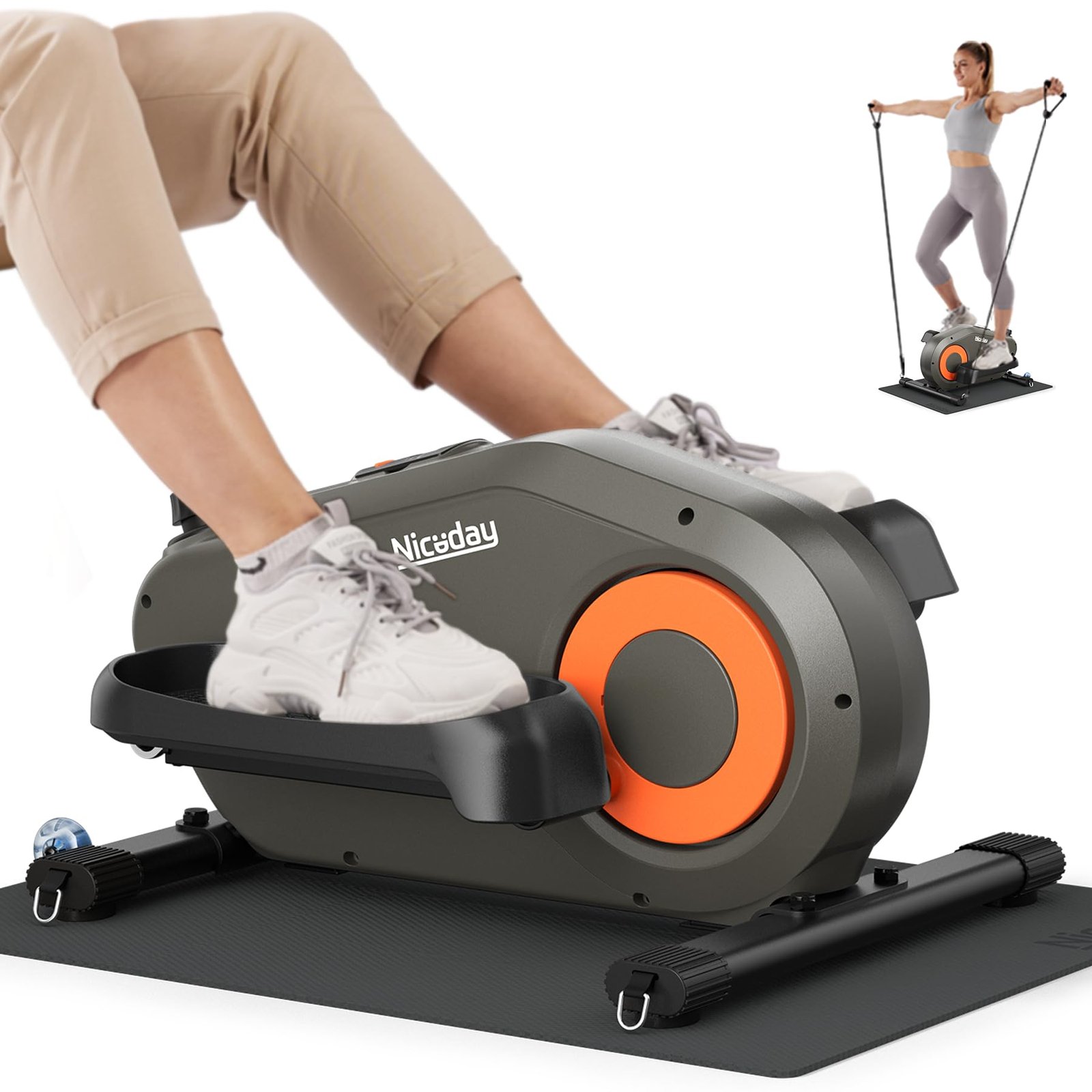
Manual ellipse leg exercisers rely on your own leg movement to turn the pedals. Depending on the design, resistance may be adjustable, allowing you to change how demanding the movement feels.
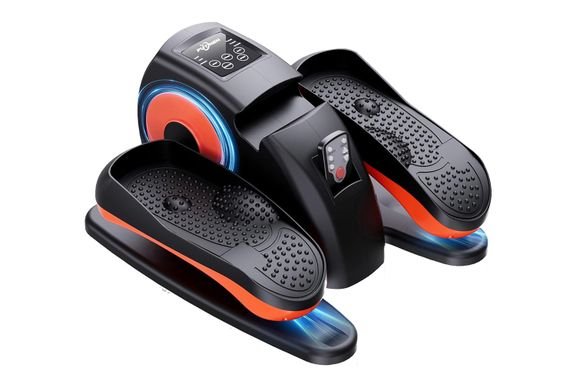
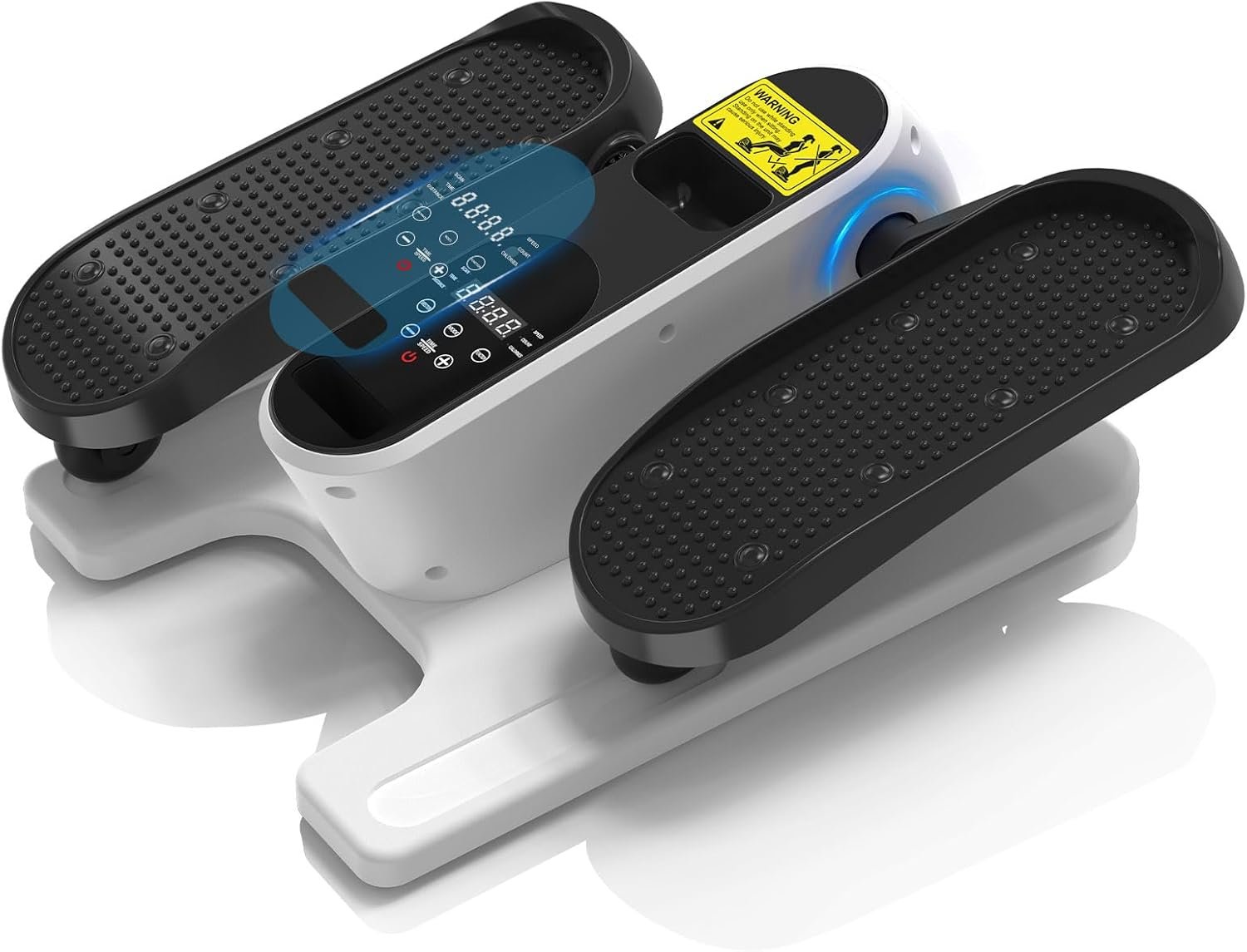
Electric ellipse leg exercisers use a motor to move the pedals. Many offer selectable speeds, operating modes, or remote controls, although features vary between products.
Both types are generally designed for seated use, but neither should be confused with a full-size standing elliptical trainer.
Option A: Manual Ellipse Leg Exercisers
A manual ellipse leg exerciser gives you direct control over the pedaling motion. You determine the rhythm by moving your legs, while the machine provides the mechanical path and, on certain models, adjustable resistance.
This option may appeal to users who want a compact piece of equipment for light seated exercise or controlled leg-focused activity.
Pros
User-controlled movement: You determine the pedaling pace.
No motor required: Many models operate without an electrical connection.
Resistance options: Certain designs allow you to adjust the effort.
Simple operation: Basic models may have fewer electronic controls.
Cons
Pedaling requires active effort.
Resistance adjustment varies by model.
Some machines may shift on unsuitable floors.
Not every model includes a display or tracking functions.
Best for: Users who prefer to control their own pace and want an active seated pedaling experience.
Option B: Electric Ellipse Leg Exercisers
Electric ellipse leg exercisers use powered mechanisms to move the pedals. Instead of generating every pedal rotation yourself, you can select an available operating mode and allow the machine to guide the movement.
Some models include multiple speeds, remote controls, or preset programs. These features can make operation convenient, particularly when changing settings while seated.
Pros
Motor-driven pedals: The machine provides powered movement.
Convenient controls: Some models offer remotes or accessible control panels.
Selectable modes: Certain products include multiple speeds or programs.
Consistent powered motion: Pedal movement can follow the selected machine setting.
Cons
Usually requires electricity or a charged battery.
May cost more than a basic manual model.
Motor noise varies between products.
Powered pedaling should not be assumed to provide the same exercise effort as active pedaling.
Best for: Users who specifically want motor-assisted seated leg movement and convenient electronic controls.
Side-by-Side Comparison: Manual vs. Electric
The main difference is who drives the movement: the user or the motor.
Feature
Manual Exerciser
Electric Exerciser
Pedal movement
User-powered
Motor-powered
Physical effort
Required to move pedals
Depends on operating mode and user participation
Power source
Often none required
Electricity or battery
Speed control
Controlled by user
Selected through machine settings
Resistance
Adjustable on some models
Varies by design
Remote control
Generally unnecessary
Available on some models
Maintenance
Mechanical components
Mechanical and electrical components
Typical pricing
Basic models may be less expensive
Powered features may increase cost
Neither type is universally better. The right choice depends on whether you want to actively power the pedals or prefer a motor-driven experience.
Which Ellipse Leg Exerciser Wins for Different Needs?
Different priorities lead to different recommendations.
Your Priority
Preferred Option
Why
Active seated pedaling
Winner: Manual
You generate and control the movement.
Motor-assisted movement
Winner: Electric
The motor drives the pedals.
No electrical connection
Winner: Manual
Most basic manual designs need no power.
Remote-operated settings
Winner: Electric
Remote controls are available on some models.
Simple mechanical design
Winner: Manual
Typically has fewer powered components.
Compact storage
Depends on model
Dimensions and weight vary in both categories.
Quiet operation
Depends on model
Mechanical noise and motor noise vary.
What Should You Check Before Buying?
Whether you prefer manual or electric equipment, the practical details deserve attention.
Size and clearance: Measure the floor area and confirm that your knees have enough room to move, especially under a desk.
Chair stability: Use a suitable stable chair. A freely rolling office chair may move during pedaling.
Foot placement: Look for pedals that provide secure positioning and sufficient space for your feet.
Controls: On electric models, check whether the operating modes and speed adjustments are easy to understand.
Weight and portability: If you plan to move the exerciser between rooms, compare actual product weights and handling features.
Intended use: Confirm that the manufacturer permits your planned activities. Do not stand on equipment designed exclusively for seated use.
Safety: Start with comfortable settings, keep the machine stable, and stop if you experience pain, dizziness, or unusual discomfort.
If your goal is active seated pedaling, a manual ellipse leg exerciser is generally the more logical choice. It allows you to generate the movement and control your pace without depending on a motor.
If you prefer motor-assisted pedal movement, an electric ellipse leg exerciser may be more suitable. Its powered operation and available electronic controls offer a different experience.
For compact home use, neither category automatically wins on size, noise, or convenience. Compare the specifications of individual products before deciding.
Ultimately, the best ellipse leg exerciser is the one that fits your space, matches your intended activity, and feels comfortable to operate consistently.
Safety Note: Ellipse leg exercisers are not substitutes for prescribed physical therapy or medical treatment. Powered pedal movement should not be assumed to provide the same cardiovascular or muscular benefits as active exercise. Follow the manufacturer’s instructions and consult a qualified healthcare professional if you have an injury, recent surgery, or a medical condition affecting movement.