Kickboards: Types, Swimming Benefits, and Buying Guide
November 18, 2026
Kickboards are among the most widely recognized swimming training aids. They allow swimmers to concentrate on kicking movements while reducing the need for arm propulsion during selected drills.
However, not all kickboards provide the same experience. Board dimensions, buoyancy, shape, grip design, and swimming technique can influence how the equipment performs in the water.
For beginners, a kickboard may support structured kicking practice under appropriate supervision. For recreational and experienced swimmers, it can be incorporated into technique-focused sets and leg-oriented workouts.
This guide compares the main types of swimming kickboards, explains the evidence behind their use, and provides practical criteria for choosing the right design.
How Kickboards Work: The Mechanics of Swimming Training
A conventional kickboard provides buoyant support near the upper body while the swimmer performs kicking movements. This changes the swimming task by reducing or eliminating normal arm propulsion.
The result is a more isolated opportunity to practice leg movements, although holding a board also changes body position compared with complete swimming.
Kickboard drills are commonly used with freestyle flutter kicks, breaststroke kicks, and selected dolphin-kick variations.
FACT: Swimming kickboards are training aids, not certified personal flotation devices. They should never replace swimming ability, supervision, or approved safety equipment.
Types of Kickboards: A Feature Comparison
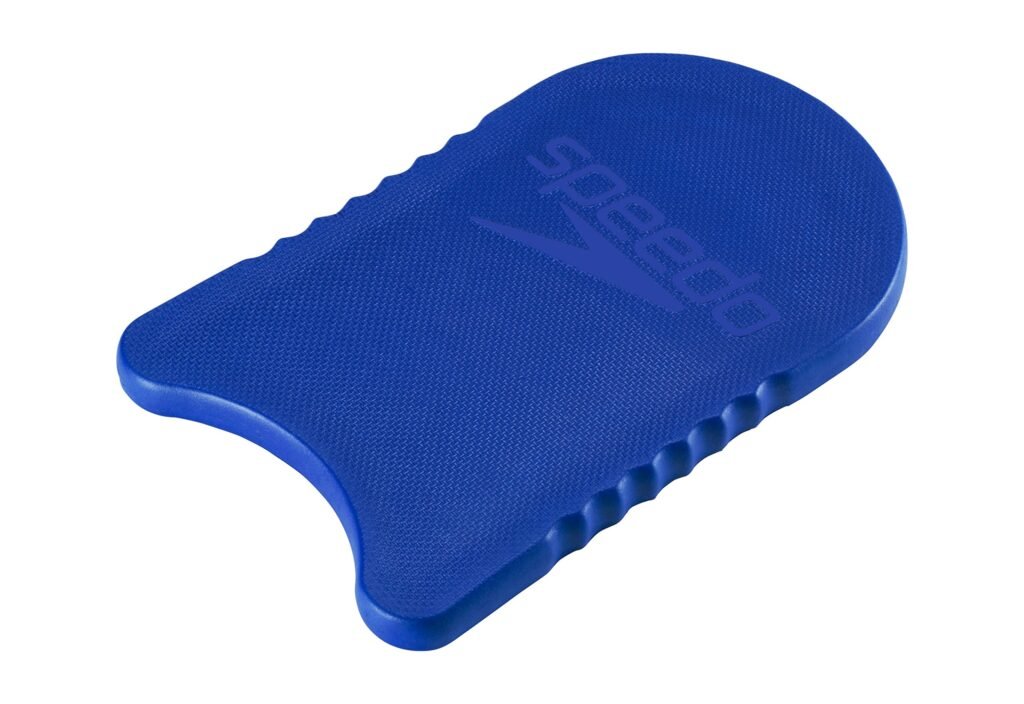
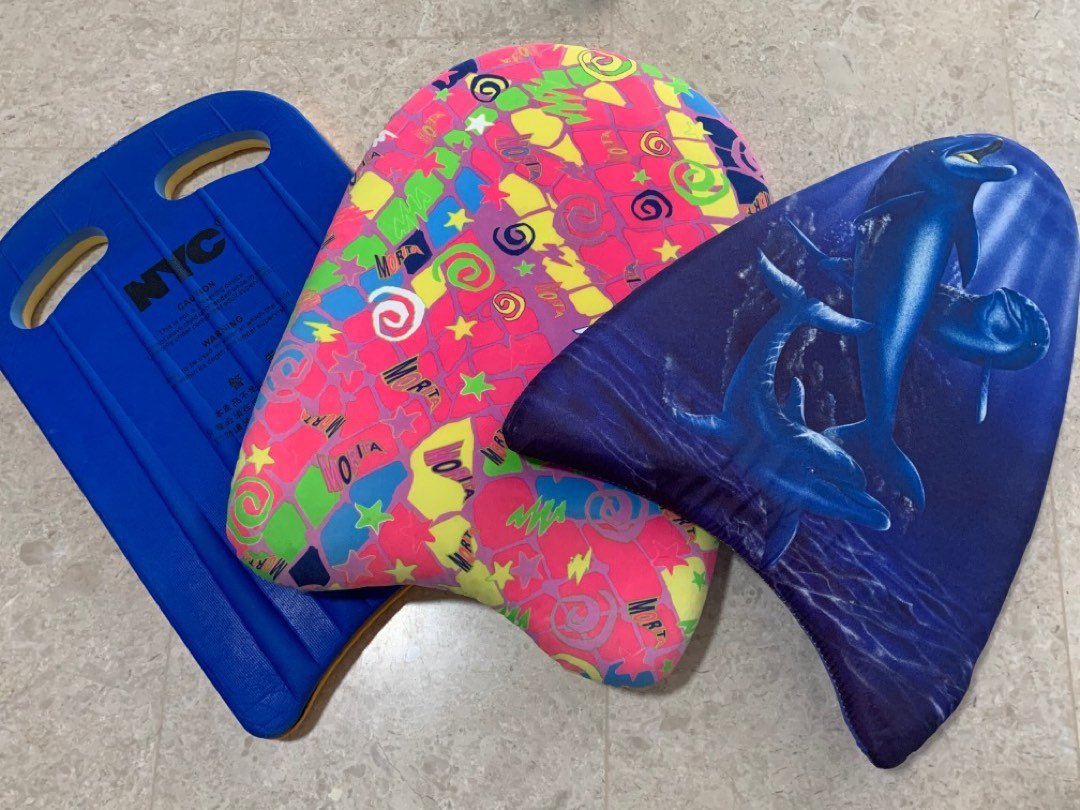
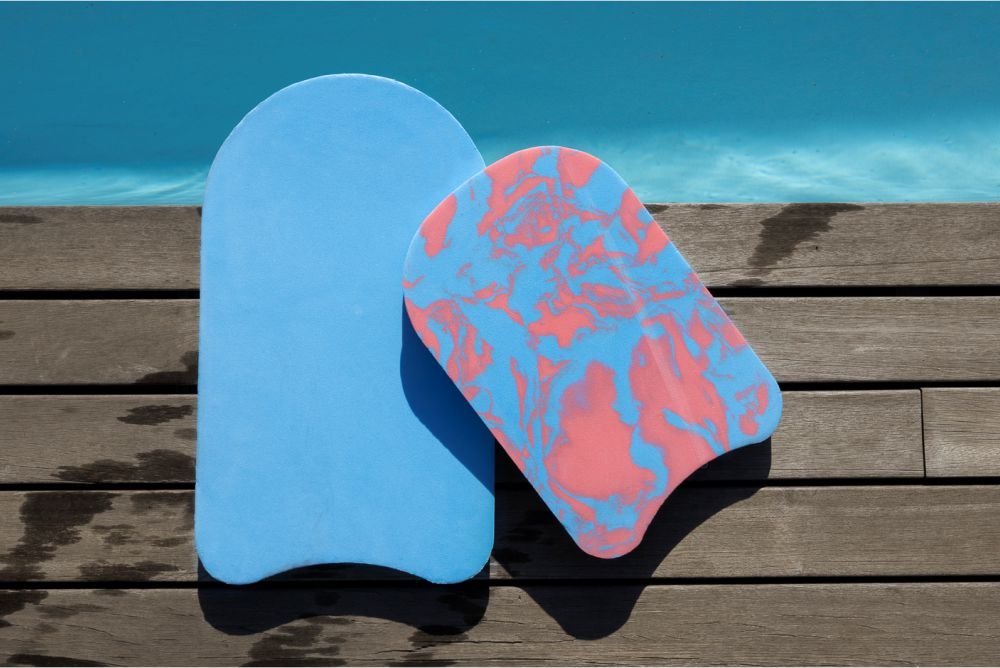
Most swimming kickboards fall into a few broad design categories. Their suitability depends on intended use rather than appearance alone.
Type
Typical Design
Potential Advantage
Consideration
Traditional
Broad, flat buoyant board
Versatile for basic kicking drills
May feel bulky to some swimmers
Compact
Smaller board profile
Easier transport and storage
Different support characteristics
Ergonomic
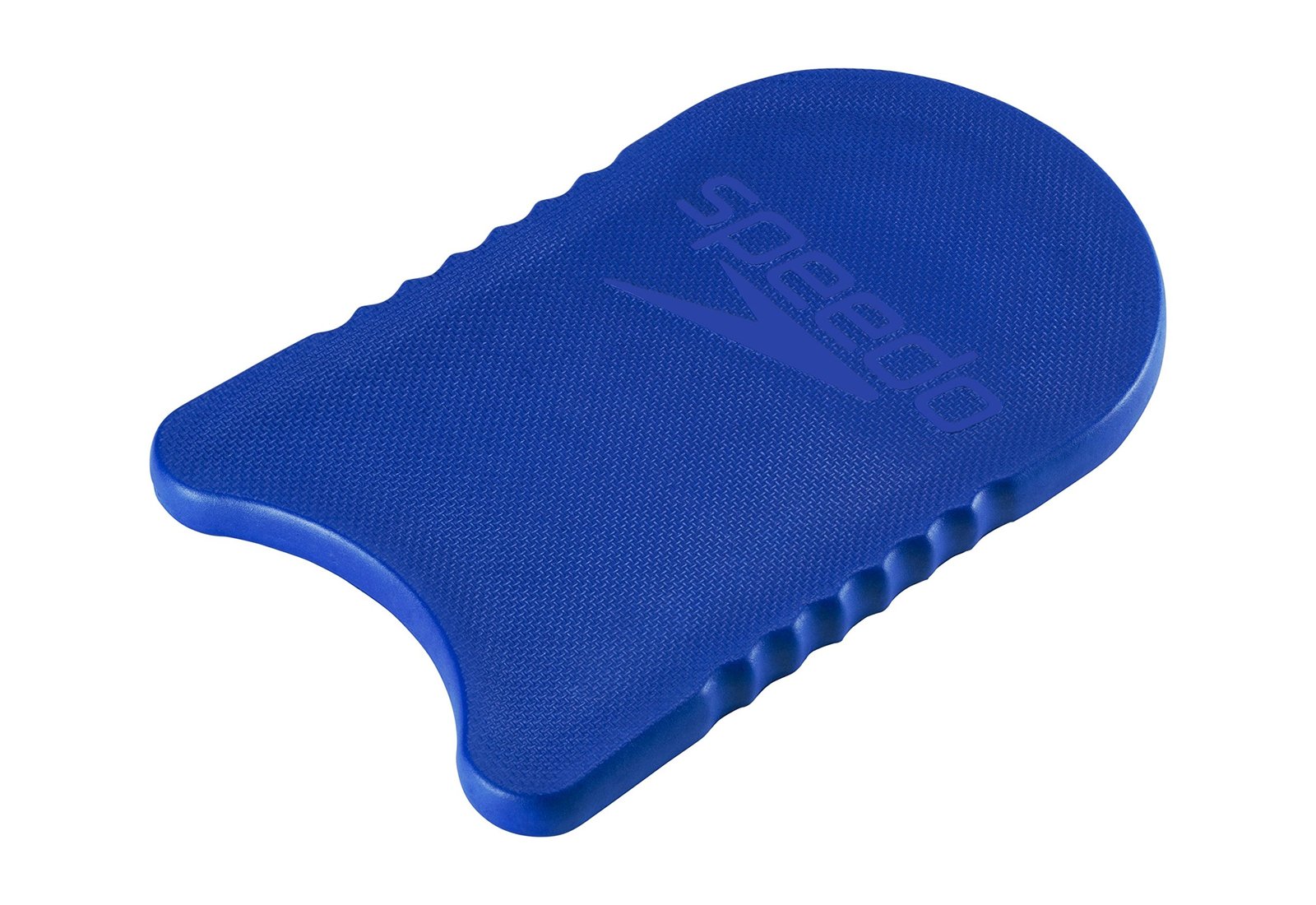
Contoured edges or grip areas
Alternative hand positioning
Fit and comfort vary
Multi-purpose
Designed for more than one training configuration
Potential workout versatility
Requires checking intended use
Board material also matters. Many products use buoyant foam or molded polymer construction, but density, durability, and surface texture vary between manufacturers.
A larger board is not automatically better. Its performance depends on buoyancy, shape, user positioning, and how the swimmer interacts with the water.
What Does Research Say About Kickboard Training?
Swimming biomechanics research has examined propulsion, kicking technique, drag, and body position. These subjects help explain why leg movements contribute differently across swimming strokes and speeds.
However, research findings about swimming mechanics should not automatically be interpreted as proof that a particular kickboard improves speed, strength, or endurance.
There is no reliable universal percentage showing how much faster a swimmer becomes simply by using a kickboard. Training results depend on technique, practice frequency, fitness, coaching, and overall workout design.
FACT: A kickboard changes the conditions of the swimming drill. Improvement in kickboard performance does not necessarily translate directly into the same improvement during full-stroke swimming.
The strongest practical use of a kickboard is therefore as a targeted training tool within a broader swimming program.
Kickboard Exercises: Comparing Training Objectives
Different kickboard exercises emphasize different aspects of swimming. Selecting a drill according to its objective is more useful than repeating the same exercise without a clear purpose.
Exercise
Main Training Focus
Typical User
Important Consideration
Flutter kick
Kicking rhythm and control
Beginners to advanced swimmers
Avoid exaggerated knee-dominant movement
Breaststroke kick
Stroke-specific leg mechanics
Swimmers familiar with breaststroke
Technique differs from flutter kick
Dolphin kick
Coordinated undulating movement
Intermediate and advanced swimmers
Requires appropriate technique
Easy-to-moderate intervals
Controlled effort changes
Recreational swimmers
Maintain movement quality
Technique-focused lengths
Body-position awareness
Various ability levels
Board position alters swimming mechanics
FACT: Kickboard training reduces normal arm propulsion during a drill, but it does not completely isolate the legs from the rest of the body. Trunk positioning, breathing, and upper-body tension still influence performance.
Quantitative Training: How to Measure Kickboard Workouts
Swimming performance can be tracked using distance, repetition count, elapsed time, and rest periods. These are measurable training variables, but they should not be confused with guaranteed fitness outcomes.
For example, a swimmer practicing in a 25-meter pool can organize a kickboard session into repeated lengths.
Example Set
Calculation
Total Distance
Purpose
4 × 25 m
4 repetitions × 25 m
100 m
Short technique-focused efforts
6 × 25 m
6 repetitions × 25 m
150 m
Repeated controlled kicking
4 × 50 m
4 repetitions × 50 m
200 m
Longer kicking efforts
8 × 25 m
8 repetitions × 25 m
200 m
Interval-based practice
These are arithmetic examples, not recommended minimums or universal training prescriptions. The appropriate workload depends on swimming ability, conditioning, and the purpose of the session.
Statistical Summary: In a 25-meter pool, eight lengths equal 200 meters. This is a measurable distance, but it does not indicate a specific calorie expenditure or expected improvement in swimming performance.
Choosing the Right Kickboard: Five Measurable Factors
Before purchasing, compare actual product specifications wherever available.
Dimensions: Check length, width, and thickness to understand the board’s physical size.
Weight: Consider portability, especially if you regularly carry equipment to a pool.
Buoyancy: Review manufacturer information, recognizing that buoyancy claims are not always reported in directly comparable units.
Grip design: Examine hand openings, contours, and edge shape.
Material and maintenance: Check durability guidance, cleaning instructions, and recommended storage conditions.
Do not assume that the thickest or largest board offers the best experience. Comfort and compatibility with the intended drill are more important than a single measurement.
Common Mistakes That Reduce Training Quality
Even a suitable kickboard can be used inefficiently. Several common errors interfere with controlled practice.
Excessive kicking amplitude: Large, uncontrolled kicks can disrupt rhythm and body position.
Unnecessary upper-body tension: Gripping the board too tightly or keeping the head excessively raised may make the position uncomfortable.
Too much training volume: Increasing distance without considering technique and fatigue may reduce workout quality.
Ignoring full-stroke practice: Kickboard exercises should support swimming development rather than automatically replace complete swimming.
Incorrect safety expectations: A kickboard is not a rescue device and should not be relied upon to keep an inexperienced swimmer afloat.
For general recreational swimming, a traditional kickboard with comfortable grip options is a practical starting point. Its straightforward design can support several common kicking drills.
For swimmers who prioritize portability, a compact board may be more convenient. Those who prefer specific hand positions can compare ergonomic designs.
More experienced swimmers may benefit from specialized configurations when those designs support a clearly defined training objective.
Ultimately, the best kickboard is not determined by size, appearance, or marketing claims alone. It should match the swimmer’s ability, preferred exercises, and comfort in the water.
Safety Note: Kickboards are swimming training aids, not personal flotation devices. Beginners and non-swimmers should practice only in suitable environments with appropriate supervision and instruction. Stop if you experience unusual pain, dizziness, or significant discomfort.