Seated Ellipse Exerciser: A Practical Home-Use Case Study
October 7, 2026
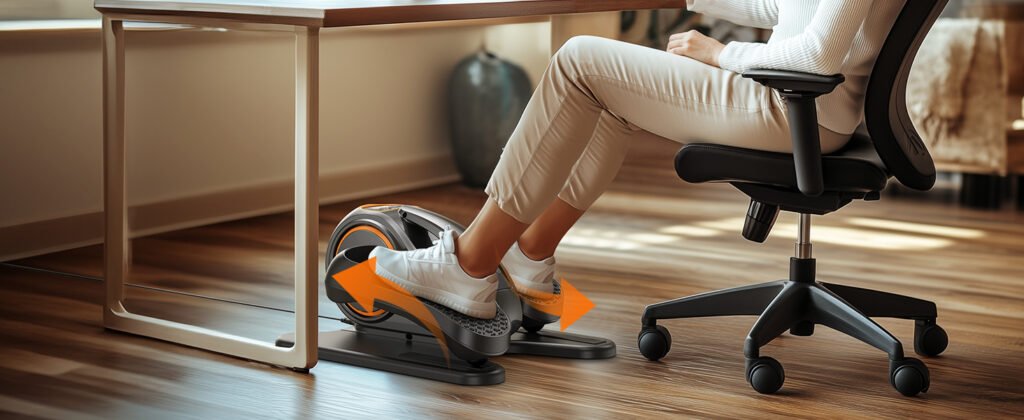
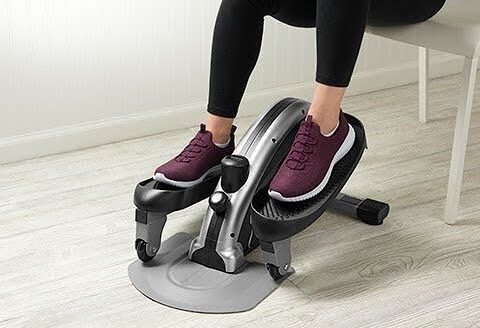
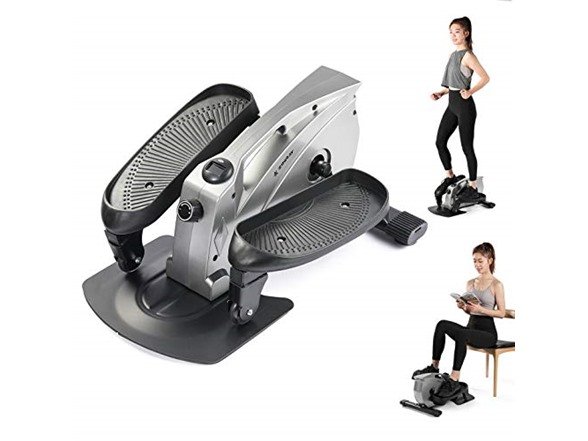
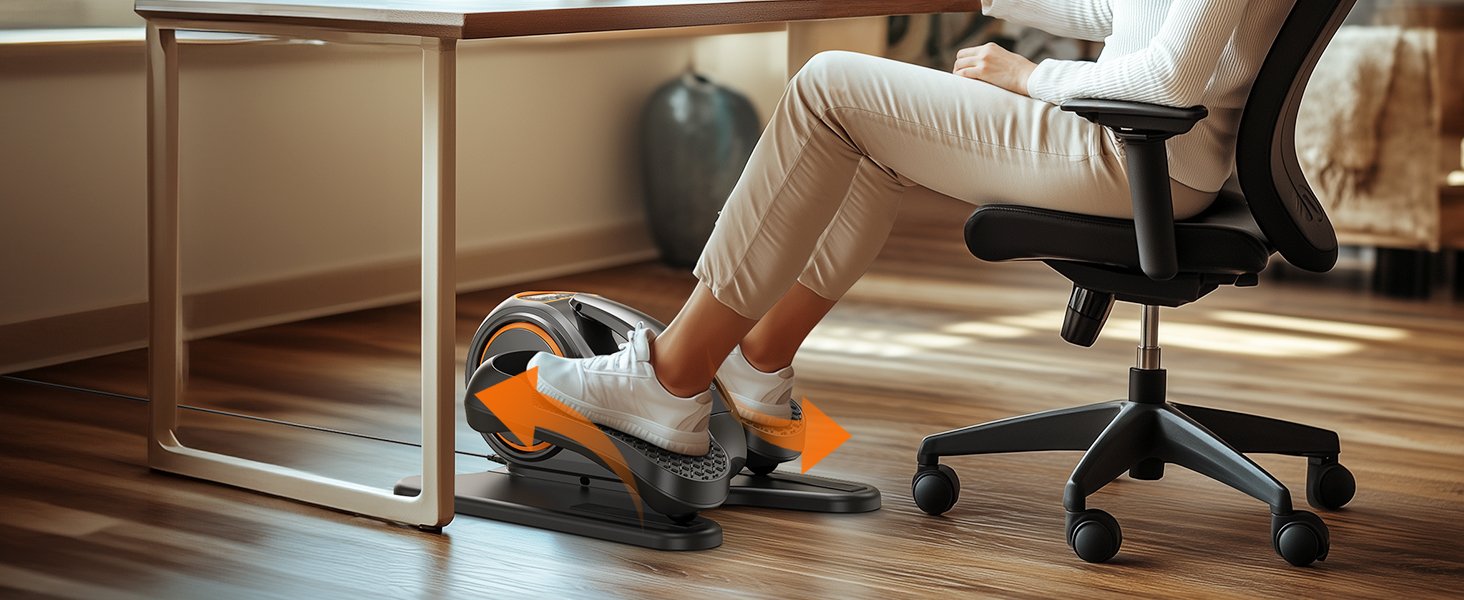
A seated ellipse exerciseris often purchased for one simple reason: convenience. It can fit under or near a desk, requires less room than a full-size elliptical machine, and allows leg movement from a chair. That sounds straightforward—but buying the machine does not automatically mean it will become part of a useful routine.
The real challenge is usually integration. Is the chair stable? Is there enough knee clearance? Does the machine move across the floor? Is the resistance comfortable? Can the user pedal without disrupting work or other activities?
The following case study is an illustrative educational scenario. It does not describe a real customer or claim specific performance outcomes. Instead, it shows how a typical home user might evaluate a seated ellipse exerciser, correct setup problems, and build a more practical routine.
The Situation
Consider a fictional home-office user named Alex. Alex works at a desk for much of the day and wants an easy way to add more leg movement without purchasing a large cardio machine.
A seated ellipse exerciser seems attractive because it is compact and can potentially be used while reading, answering email, or doing other low-demand desk tasks.
Before purchasing, Alex expects the experience to be simple:
place the machine under the desk;
sit down;
start pedaling;
continue working as usual.
After the first few sessions, however, several practical problems appear.
The Challenge
The machine technically fits under the desk, but Alex’s knees occasionally come too close to the underside of the work surface. The chair also rolls backward slightly during faster pedaling, and the exerciser shifts forward on the floor.
Another issue is intensity. Alex immediately selects a relatively challenging resistance because it feels more like a “real workout.” Within a short period, pedaling becomes distracting, posture changes, and the rhythm becomes inconsistent.
None of these problems necessarily means the seated ellipse exerciser is unsuitable. They suggest that the setup needs to be evaluated more carefully.
The main challenges are:
insufficient knee clearance;
chair movement;
machine movement;
resistance that is too demanding for simultaneous desk work;
poor understanding of when the exerciser is most useful.
The Analysis
The first step is to separate the product itself from the environment around it.
A seated ellipse exerciser functions as part of a system that includes:
the chair;
the desk;
the floor;
the user’s body position;
the machine’s pedal path;
the selected resistance or operating mode.
Even a well-designed compact exerciser can feel awkward if one of these elements is poorly matched.
Alex reviews the manufacturer’s instructions and confirms that the model is intended for seated use. The user also checks the stated operating guidance, appropriate floor setup, and controls.
Next, the setup is observed during slow pedaling rather than during a full work session.
Several findings become clear:
The machine is positioned too close to the chair.
The chair wheels allow unwanted movement.
The desk does not provide much vertical clearance for the knees.
The selected resistance requires more concentration than expected.
Trying to work and pedal continuously is not always practical.
This analysis changes the goal. Instead of trying to pedal constantly throughout the workday, the new objective becomes creating a stable, comfortable setup that supports short, repeatable movement sessions.
Before / After Setup Comparison
Area
Before
After
Chair setup
Rolling chair shifts backward
More stable seating arrangement appropriate for the exerciser
Machine position
Placed too close to the chair
Adjusted to allow a more natural leg position
Knee clearance
Knees occasionally approach the desk underside
Desk position and machine placement checked before use
Resistance
Started too high
Lower, more manageable setting used initially
Pedaling rhythm
Inconsistent and distracting
Smoother, controlled movement
Routine
Attempted almost continuous use
Shorter, planned sessions integrated into the day
Expectations
Expected the machine to work automatically with the desk setup
Treated setup and routine design as part of successful use
The Strategy
The revised strategy focuses on four priorities: stability, comfort, simplicity, and repeatability.
Rather than maximizing resistance or total pedaling time, Alex decides to make the equipment easier to use consistently.
The strategy includes:
confirming that the chair remains stable;
creating adequate clearance around the pedals;
using a manageable resistance;
starting with slow, controlled pedaling;
separating focused exercise periods from tasks that require full concentration;
checking the machine regularly for movement or unusual noise.
The objective is not to turn desk work into a demanding cardio session. It is to make light seated movement easier to incorporate into daily life.
Implementation: Week 1
During the first week, Alex focuses entirely on setup.
No attempt is made to chase long sessions. Instead, the user learns how the machine behaves at different positions relative to the chair.
The checklist is simple:
✓ Confirm that the machine sits flat and stable.
✓ Check that the chair does not roll or shift unexpectedly.
✓ Make sure both feet stay securely positioned on the pedals.
✓ Test full pedal rotation before beginning desk work.
✓ Check knee clearance under the desk.
✓ Learn how to stop and adjust the machine safely.
Alex also discovers that certain tasks work better with pedaling than others. Reading or listening to a call feels manageable, while detailed writing and tasks requiring precise concentration are more distracting.
That observation becomes important later.
Implementation: Week 2
In the second week, Alex introduces a more consistent schedule rather than pedaling whenever the machine happens to be visible.
An illustrative routine might look like this:
Time of Day
Activity
Use of Seated Ellipse Exerciser
Morning
Reading or planning
Short comfortable session
Midday
Desk break
Dedicated movement session
Afternoon
Routine email or listening task
Optional light pedaling
Evening
Non-desk activity
No required use
This is not a universal exercise prescription. It is simply an example of how the equipment can be attached to existing routines rather than used randomly.
The resistance remains comfortable. If pedaling begins to interfere with posture or concentration, the session is shortened or stopped.
Implementation: Weeks 3 and 4
By weeks three and four, Alex is no longer thinking much about basic setup. The machine has a consistent location, the seating arrangement is predictable, and the controls are familiar.
At this stage, the user experiments with small changes rather than dramatic increases.
For example:
slightly adjusting resistance when appropriate;
using the machine during selected low-demand desk tasks;
keeping dedicated sessions separate from more demanding work;
checking whether the unit remains quiet and stable;
maintaining the machine according to manufacturer guidance.
The focus remains on usability rather than performance numbers.
Illustrative Timeline
Period
Primary Focus
Qualitative Change
Days 1–3
Learn controls and pedal motion
Better understanding of how the machine operates
Days 4–7
Improve chair and machine placement
Less unwanted shifting and more comfortable leg positioning
Week 2
Create predictable usage periods
Less random use and a more organized routine
Week 3
Identify tasks compatible with pedaling
Less distraction during demanding desk work
Week 4
Refine resistance and routine
More natural integration into the day
The timeline illustrates an important principle: successful use is not always about increasing exercise intensity. Sometimes the most meaningful progress is simply reducing friction around the habit.
The Outcome
At the end of the illustrative four-week period, the most noticeable changes are practical rather than dramatic.
Alex does not claim a specific amount of weight loss, calorie expenditure, strength improvement, or medical benefit. Those outcomes would require appropriate measurement and depend on many factors beyond the exerciser itself.
Instead, the qualitative changes include:
the machine is easier to use without repositioning it repeatedly;
the chair and pedal setup feels more stable;
knee clearance is checked before each session;
resistance is selected for comfort rather than difficulty alone;
pedaling is used during tasks that actually tolerate movement;
dedicated movement periods are easier to repeat;
the exerciser has become part of a routine instead of unused equipment under the desk.
These may sound like modest improvements, but they address one of the biggest problems in home fitness: equipment cannot provide much value if it is inconvenient enough that you stop using it.
What This Case Study Suggests About Seated Ellipse Exercisers
This illustrative scenario highlights several characteristics that matter when evaluating a seated ellipse exerciser.
Compact size is only one part of compatibility. A machine may fit under a desk while still leaving inadequate room for the knees during the pedal cycle.
Chair stability matters. A seated exerciser and a freely rolling chair may not work well together unless the manufacturer’s setup guidance supports the arrangement.
Resistance should match the activity. A setting suitable for a dedicated exercise session may be distracting during desk work.
Routine matters more than novelty. Using the device for a few well-chosen periods may be more practical than expecting continuous pedaling throughout the day.
Different tasks have different compatibility. Some people may be comfortable pedaling while reading or listening, yet find it disruptive during writing, detailed analysis, or video meetings.
What Features Would Have Mattered Before Buying?
If Alex were choosing the machine again from the beginning, the evaluation would focus less on marketing features and more on practical compatibility.
Feature
Why It Matters
What to Check
Pedal path
Influences knee movement and desk clearance
Manufacturer dimensions and intended positioning
Machine footprint
Determines whether it fits the available floor space
Actual product dimensions
Resistance controls
Allows effort to be adjusted
Type and range provided by the manufacturer
Stability
Helps prevent unwanted movement during use
Base design and recommended floor setup
Noise
Important in offices and shared rooms
Manufacturer information and credible user observations
Portability
Important if the machine will be moved regularly
Product weight, handles, and storage requirements
Power requirements
Relevant for powered models
Electrical or charging requirements
Controls
Affects everyday ease of use
Accessibility and operating simplicity
The lesson is simple: do not buy based only on the phrase “under-desk exerciser.” Measure the space and understand the movement path first.
Key Lessons
This illustrative case study provides several practical lessons for anyone considering a seated ellipse exerciser.
Measure before buying. Floor footprint alone is not enough; check vertical knee clearance and pedal travel.
Use a stable seating setup. The chair is part of the exercise environment.
Start conservatively. Learn the motion and controls before increasing resistance or duration.
Do not expect constant multitasking. Some activities pair with pedaling better than others.
Prioritize controlled movement. Faster or harder is not automatically more useful.
Follow the manufacturer’s intended use. Do not stand on a seated-only device unless the manufacturer specifically permits it.
Evaluate real convenience. Compact equipment is useful only when setup, storage, and daily operation are manageable.
Use qualitative progress too. Better consistency, easier setup, and less distraction can all be meaningful improvements.
Making a Seated Ellipse Exerciser Work in Real Life
A seated ellipse exercisercan be a practical home-fitness tool, especially when space is limited and the goal is to make leg movement easier to incorporate into the day. But compact equipment still requires thoughtful setup.
The illustrative scenario above shows why the first question should not be, “How hard can I pedal?” A better sequence is: Does the machine fit? Is the chair stable? Do my knees have clearance? Can I pedal smoothly? Which parts of my day actually work well with it?
Once those questions are answered, intensity and routine can be adjusted gradually.
The most successful setup is often not the one that produces the most demanding session. It is the one that removes enough inconvenience that you are willing to use the equipment consistently.
Safety Note: Use the exerciser only in the positions and conditions permitted by its manufacturer. Start gradually, keep feet securely positioned, and stop if you experience unusual pain, dizziness, numbness, or other concerning symptoms. If you have an injury, medical condition, significant balance limitation, or other concern that may affect exercise, seek appropriate professional guidance.